

88CLB – LINK NHÀ CÁI 88CLB UY TÍN – PHÁT LỘC TẾT 888K
88CLB đang nổi lên là nền tảng giải trí trực tuyến được cộng đồng quan tâm nhờ hệ sinh thái game phong phú, công nghệ vận hành ổn định và trải nghiệm người dùng tối ưu trên mọi thiết bị. Không chỉ ghi điểm bởi tốc độ nạp rút nhanh, bảo mật nhiều lớp, 88CLB còn chinh phục người chơi với dịch vụ hỗ trợ chuyên nghiệp, mang đến sân chơi giải trí an toàn, minh bạch và đáng tin cậy.
Xóc đĩa online 88CLB

Tài xỉu online 88CLB
Porker 88CLB
Lô đề 88CLB
Giới thiệu 88clb – Thông tin sơ về nhà cái
Nhắc đến các sân chơi cá cược trực tuyến chất lượng, 88clb là cái tên thường xuyên xuất hiện trong các cộng đồng người chơi tại Việt Nam và nhiều quốc gia khác. Nền tảng này hoạt động với phạm vi toàn cầu, cung cấp đa dạng sản phẩm giải trí phù hợp với nhiều đối tượng, từ người mới bắt đầu cho đến những cược thủ dày dạn kinh nghiệm.
Điểm tạo nên uy tín của nhà cái đến từ việc được cấp phép hoạt động hợp pháp bởi Hiệp hội Cá cược Quốc tế. Đây là yếu tố quan trọng giúp người chơi an tâm khi đăng ký tài khoản, nạp rút tiền và tham gia các trò chơi. Bên cạnh đó, hệ thống vận hành ổn định, quy trình giao dịch rõ ràng cũng góp phần khẳng định vị thế của thương hiệu trên thị trường.

Những ưu điểm làm nên thương hiệu 88clb
Dưới đây là những ưu thế nổi bật giúp 88clb chiếm được lòng tin của đông đảo cược thủ trong suốt thời gian qua.
| Ưu điểm | Mô tả |
| Giao diện | Giao diện trang chủ của nhà cái được thiết kế với bố cục khoa học, màu sắc hài hòa và dễ nhìn. Các danh mục game được sắp xếp rõ ràng, giúp người chơi thao tác nhanh chóng mà không mất nhiều thời gian làm quen. |
| Pháp lý | Chính sách hoạt động rõ ràng. Mọi giao dịch nạp và rút tiền đều được xử lý nhanh chóng, thông tin cá nhân của hội viên được bảo mật nghiêm ngặt. |
| Khuyến mãi | Từ thưởng chào mừng, hoàn trả cược cho đến các sự kiện tri ân định kỳ, tất cả đều được xây dựng với điều kiện rõ ràng, tạo thêm động lực cho hội viên gắn bó lâu dài. |
Danh sách game ấn tượng không thể bỏ qua
Không chỉ nổi bật về dịch vụ, 88clb còn thu hút hàng triệu thành viên nhờ kho trò chơi đa dạng, phù hợp với nhiều kiểu cách giải trí khác nhau. Cụ thể:
| Thể loại | Đặc điểm chính |
| Đá gà | Đá gà là một trong những chuyên mục được yêu thích nhất tại đây. Các trận đấu được phát sóng trực tiếp liên tục, kèm theo bảng tỷ lệ kèo cập nhật nhanh chóng. |
| Xổ số | Xổ số mang đến cơ hội trúng thưởng lớn chỉ với mức vốn ban đầu không quá cao. Mỗi ngày có nhiều kỳ quay với đa dạng hình thức. |
| Casino | Người chơi có thể tham gia nhiều trò chơi quen thuộc như Poker, Phỏm, Tá Lả, Sâm lốc với tỷ lệ trả thưởng hấp dẫn. |
| Bắn cá | Sảnh bắn cá đưa người chơi vào thế giới đại dương 3D sinh động với nhiều loài sinh vật biển khác nhau. Nhiệm vụ của bạn là sử dụng vũ khí phù hợp để săn cá và nhận về phần thưởng tương xứng. |

FAQ về hình thức giao dịch tại 88CLB
Giao dịch nạp – rút tiền luôn là vấn đề được người chơi đặc biệt quan tâm, bởi đây là yếu tố ảnh hưởng trực tiếp đến trải nghiệm cũng như mức độ uy tín của nhà cái. Hiểu được điều đó, nhà cái đã tổng hợp và giải đáp chi tiết các câu hỏi FAQ liên quan đến giao dịch để hội viên yên tâm hơn khi tham gia.
Vì sao người chơi không rút được tiền tại 88CLB?
Hệ thống rút tiền tại 88CLB được tối ưu hóa nhằm đảm bảo nhanh chóng – an toàn – minh bạch. Tuy nhiên, trong một số trường hợp, giao dịch rút tiền không thể thực hiện do người chơi vi phạm một trong các nguyên nhân sau:
- Thông tin rút tiền không trùng khớp với thông tin đã đăng ký tài khoản.
- Số dư tài khoản chưa đạt mức tối thiểu 100.000 VNĐ theo quy định.
- Số tiền yêu cầu rút vượt quá số dư hiện có trong nick.
- Điền sai thông tin hoặc sử dụng tài khoản ngân hàng không chính chủ.
- Vi phạm điều khoản, chính sách hoặc quy định do nhà cái ban hành.

Nhà cái 88CLB hỗ trợ những hình thức giao dịch nào?
Đây là một trong những FAQ được rất nhiều hội viên quan tâm. Nhằm mang đến sự thuận tiện tối đa, 88CLB đã hợp tác với nhiều đối tác thanh toán uy tín, hỗ trợ đa dạng phương thức giao dịch như:
- Chuyển khoản ngân hàng
- Thẻ cào
- Ví điện tử
Chưa nhận được tiền sau khi giao dịch thì phải làm sao?
Thông thường, các giao dịch nạp/rút tại đây sẽ được xử lý trong khoảng 10 – 15 phút. Tuy nhiên, nếu sau 24 giờ mà tiền vẫn chưa được cộng vào tài khoản, rất có thể giao dịch đã gặp sự cố. Trong trường hợp này, tay chơi cần liên hệ ngay với bộ phận CSKH của nhà cái để được hỗ trợ kiểm tra và xử lý kịp thời, tránh ảnh hưởng đến quá trình cá cược.
Kết luận
Có thể thấy, 88clb là một trong những nền tảng cá cược trực tuyến đáng tin cậy với nhiều ưu điểm nổi bật từ giao diện, kho game cho đến chính sách giao dịch. Qua nội dung giới thiệu về nhà cái ở trên, người chơi hoàn toàn có thể yên tâm cân nhắc đây là điểm đến giải trí lâu dài.
SỰ KIỆN 88CLB
-
🎁 Tặng tiền khi đăng ký & đăng nhập
-
💰 Bonus nạp tiền lần đầu 100%
-
📈 Thưởng nạp tiếp theo & hoàn trả
-
🔄 Mã code / quà tặng hàng ngày
-
🎉 Ưu đãi và sự kiện định kỳ
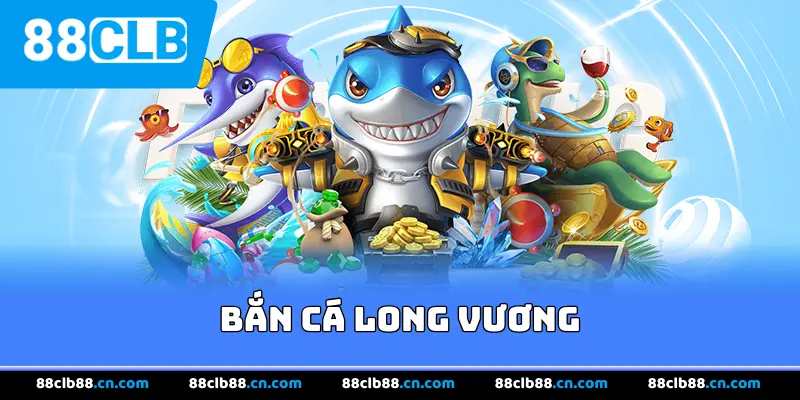
Bắn Cá Long Vương 88CLB – Bí Kíp Săn Long Vương Hiệu Quả
Bước vào thế giới thần thoại của Bắn Cá Long Vương, nơi những sinh vật [...]
Bắn Cá H5 Đỉnh Cao: Chiến Thuật Săn Thưởng Hiệu Quả 2025
Bước vào thế giới Bắn Cá H5 – phiên bản tối ưu hóa cho nền [...]
Bắn Cá Đổi Thưởng 88CLB: Săn Boss Nhanh, Thưởng Lớn Mỗi Ngày
Bước vào thế giới đại dương đầy màu sắc của Bắn Cá Đổi Thưởng, nơi [...]
Tiến Lên Miền Nam 88CLB – Chiến Thuật Về Nhất Nhanh Chóng
Tham gia vào Tiến Lên Miền Nam – trò chơi bài quốc dân của Việt [...]
Mậu Binh 88CLB – Chiến Thuật Tinh Tế, Thắng Lớn Dễ Dàng
Bước vào thế giới Mậu binh – trò chơi trí tuệ đỉnh cao, nơi chiến [...]

Xì Dách 88CLB – Hướng Dẫn Luật Chơi Và Chiến Thuật Dễ Thắng
Tham gia vào trò chơi Xì dách (Blackjack), nơi kỹ năng và chiến thuật quyết [...]
Jackpot 88CLB – Cách Săn Giải Thưởng Khổng Lồ Trong Ngày
Tham gia vào hành trình săn tìm những giải thưởng lớn nhất trong thế giới [...]
Săn Hũ Trúng Vàng 88CLB – Bí Kíp Nhận Thưởng Khủng Mỗi Ngày
Tham gia cuộc phiêu lưu kịch tính, chinh phục các quỹ thưởng khổng lồ với [...]